Planning a Tenant Improvement That Opens on Time
A tenant improvement schedule is really a lease schedule in disguise.
October 14, 2026 · 4 min read
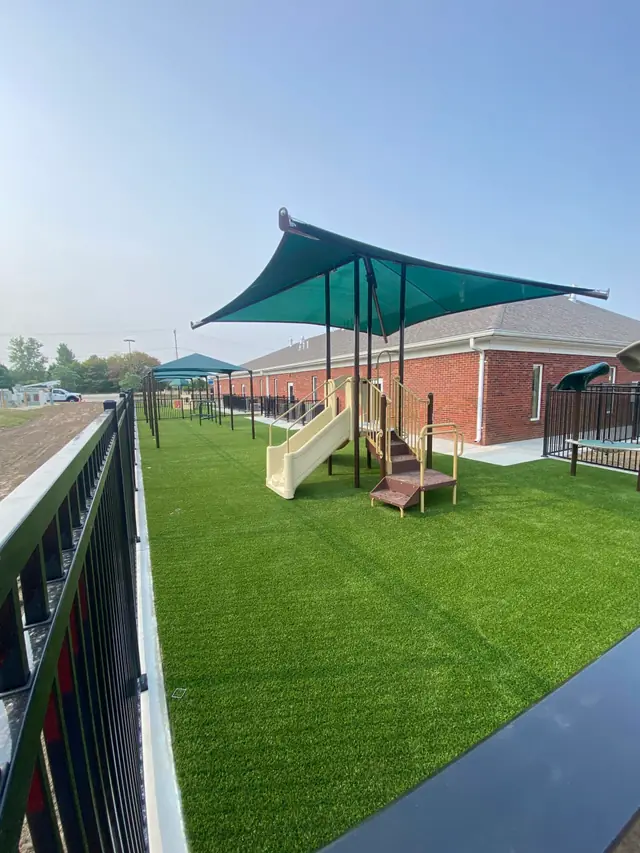
A tenant improvement looks smaller than a ground-up building, and in square footage it usually is. In what rides on it, it often is not. The lease clock starts ticking, staff are hired, marketing is booked and an opening date is announced, all before the walls are finished. Everything about the project is shaped by that date.
Retail, dental, urgent care and food tenants all share this pressure. Here is how to plan an improvement that opens when you said it would.
Start with the lease dates
Read the lease for three dates: when the space is delivered to you, when rent begins and when you must be open. The gap between delivery and rent commencement is your construction window, and it is often shorter than the tenant assumed when signing.
Bring your architect and your contractor into the conversation before the lease is signed if you can. A builder can look at the space and tell you whether the window is realistic. That feedback is worth much more before the signature than after it.
Read the landlord work letter closely
The work letter defines who builds what. The landlord usually delivers a base condition, which can mean anything from a bare shell to a space with some infrastructure already in place, and the tenant takes it from there. Allowances, deadlines for plan submission and landlord approval steps are all spelled out.
Two items cause trouble repeatedly. One is a gap between what the tenant believes the landlord is delivering and what the letter actually says. The other is a landlord review period that nobody built into the schedule. Walk your contractor through the letter line by line, and make your design team's submissions to the landlord early enough to absorb a round of comments.
Chase the long-lead items
Construction time is rarely what makes a tenant improvement late. Waiting for equipment is. Storefront glazing, rooftop units, electrical gear, millwork, kitchen equipment, specialty plumbing fixtures and signage can all run for weeks or months, depending on the market.
The fix is to identify these items in preconstruction, get submittals approved early and place orders before the drawings are fully finished if the design for that item is stable. Dental and urgent care tenants have heavier plumbing, compressed air or vacuum, and imaging room requirements. Restaurants have hoods, grease handling and makeup air. Each of those has its own lead time.
Inspections and approvals
The city or county sets the permit and inspection process, and timing varies by jurisdiction. Your architect and contractor will confirm what applies to your space. What you control is the plan: leave room between the last inspection request and your opening date, and do not schedule a grand opening for the day after final.
Plan for a punch list as well. Even a well-run project ends with small items to fix, and the best time to collect them is a few days before the keys change hands, not on opening morning.
Working beside neighbors who are still open
Many tenant improvements happen inside shopping centers, medical buildings or mixed-use properties where other businesses are open and customers are walking by. Noise, dust, delivery routes, parking for the trades and shared walls all have to be managed. Raineri describes its retail work as spanning tenant improvements through new construction, with minimal disruption as a stated priority. In practice, that means asking early which hours are quiet, where materials can come in and how the work area will be separated from customers.
Repeating a prototype across locations
If you are opening several locations, the planning changes. Raineri has done multi-location tenant improvement work for brands such as Aspen Dental, Sport Clips, Firehouse Subs, Wing Stop and FastTrack Urgent Care. The lesson in that kind of work is that the second site should be easier than the first, if the team records what was learned. Standardize what truly repeats, such as finishes, equipment packages and submittal approvals, and leave room for what changes from one building to the next.
Whatever the number of locations, a short checklist keeps the dates honest:
- Mark delivery, rent commencement and required opening dates on one calendar
- Read the landlord work letter with your contractor, line by line
- List every long-lead item and assign a date to order each one
- Build landlord review time into the design schedule
- Ask your architect and contractor how permits and inspections work for your location, and plan around their answer
- Agree on work hours, deliveries and dust control with the property manager
- Hold a punch walk several days before opening
If you have a space to build out in the St. Louis region and an opening date you are trying to protect, call Raineri Construction at (314) 667-5913 or send a message through the contact page.
Raineri Construction, (314) 667-5913
Call (314) 667-5913More articles
What Preconstruction Settles Before Ground Breaks
The cheapest problems on any commercial project are the ones found while the work is still on paper.
Self-Performed Labor and Your Schedule
When the general contractor's own crews do the work, the schedule depends on one fewer phone call.